
Ivy can give homes and garden walls character and charm but not everyone wants their boundary fence or the façade of their home covered in green. Often we are asked by our customers ‘can you remove ivy from brickwork’. If you’ve inherited ivy from the former owner of your property or your ivy has completely got out of control and would prefer a clean slate it is possible to remove it. But be warned: it’s not easy or straightforward. 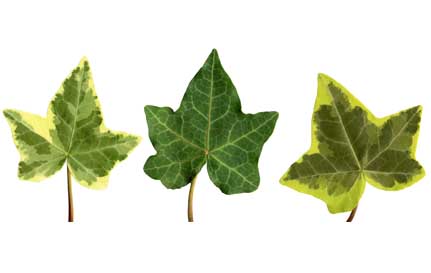 Some species of ivy, particularly English ivy, is very aggressive and given half a chance will exploit weaknesses in brickwork. The tiny roots can penetrate quite deeply into cracks and holes and this is part of the reason why they are so difficult to remove once established.
Stubborn
The leaves of English ivy are covered in a substance similar in texture to wax which acts as a barrier to herbicides, preventing them from seeping into the cells of the plant. If you’re considering using a herbicide as your first option, the challenge will be making sure the ivy is given maximum exposure to the herbicide to ensure some of it finds its way inside. One way is to spray the ivy during the winter as this ensures the herbicide doesn’t evaporate in the heat and has a longer opportunity to penetrate into the plant. A sunny winter day is ideal because this will create a better surface on the leaves rather than rain. Another useful technique is to make a cut in the stems of the ivy which will allow the chemicals access into the plant through the open wounds. Even if ivy is successfully killed in these ways, removing it completely from your brickwork is going to require some physical labour. Physically removing ivy can be an effective but care should be taken to ensure all of it is taken away. Ivy has a notoriously fast growth rate and can regrow from just tiny stem and root pieces left in the ground. 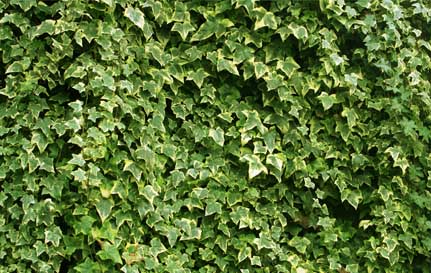 Ivy attaches itself to brickwork like glue and it is virtually impossible to remove by hand all of the tiny tendrils which have grown into the cement. The only way to clean the area completely is to use a scraping instrument to loosen any stems or roots attached to the brickwork. Tug very gently at the roots as ivy that is deeply embedded into the brick can damage mortar when it is pulled free. After scraping the accessible roots, use a small, dry scrubbing brush to lift some of the dried roots. If they are particularly stubborn, use a little detergent and warm water and try again. If all else fails and you still have noticeable marks from ivy roots, consider using a propane torch to burn away the remaining roots. This is an incredibly tricky task not to mention dangerous so great care is needed. It’s important to test a patch of brickwork first to ensure you don’t leave scorch marks on the brickwork. You will also steer clear of any flammable materials on wood. I hope you found this article on ‘can you remove ivy from brickwork’ useful. While we wouldn’t want to deter anyone from planting ivy to bring character to their property or garden, we would advise homeowners to think carefully about whether they can keep up with the maintenance of this particular species.
You may be interested in an earlier article ‘Is ivy bad for my tree’s health. You can read this article by clicking here.
