
Can I remove my neighbour’s conifer roots from my garden?

Can I remove my neighbour’s conifer roots from my garden?

Many a neighbourly dispute has arisen over conifer hedging. Although this species of hedge continues to be popular with homeowners looking for privacy or shade, it can also ignite fierce battles. Many buyers have walked away from a property whose boundary is lined by conifers for fear of neighbourly tension.
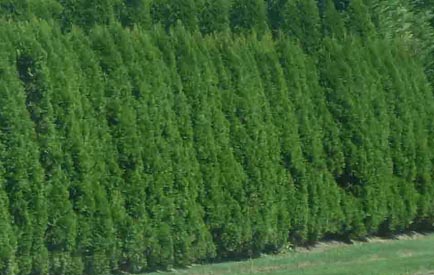
Prince Tree Surgery Tree Surgeons in brentwood Conifers can grow several metres high which can cause friction between residents, particularly when the trees block out sunlight or spoil the view of the neighbouring property. There is now legislation to ensure the owners of Leylandi Conifers maintain the trees at an acceptable height to protect the rights of adjacent properties.

And it’s not only their height that can cause a problem. The roots of a Leylandi Conifer can spread a considerable distance, particularly taller trees. This can cause several problems for neighbouring properties because they withdraw moisture from the soil, causing it to dry out.

If this moisture is not replaced, the surrounding plants and grass will wilt and die. Conifers are usually planted to mark a property boundary so it’s easy to see how so many disputes involving root damage occur.

In addition to soil damage, conifer roots can also cause problems to foundations and patios. If you’re planning to build a conservatory and your neighbour’s boundary is lined with conifer hedging, this can stall the building process while the roots are cut out.

If you’re considering planting large conifer trees, you should always aim to plant at least 35 meters away from a property. You should also make sure you check the size of the mature tree, not the size at the time of planting.

Although conifer roots are shallow, they spread up to seven times as wide as they mature. Seek professional guidance if you’re unsure, it’s important not to plant within root distance of drains, driveways or the foundations of a property. You should also avoid nearby utilities.

If you’re affected by the roots of a Leylandi Conifer from a neighbouring property, then you have some legal protection. By law, you’re entitled to dig up and remove any roots that have breached the boundary on to your land. While the law clearly protects you, it is much better to discuss the issue amicably with your neighbour first before calling in a tree surgeon to tackle the problem.

Falling out with a neighbour early doors could result in years of tension and animosity which could be avoided by confronting the situation from the outset.

It is the tree owner’s responsibility for paying for any damage caused as a result of their tree root growth however it can be very difficult to get the owner to admit responsibility and most homeowners want to avoid a costly legal battle. Sometimes neighbours will arrange for the work themselves to avoid potential friction.

Where tree roots have caused structural damage or have affected the foundations of a property, always seek the advice of a tree surgeon. Never tackle the work alone.

If you are concerned about a neighbour’s tree, whether its overhanging into your garden or whether the roots are effecting your driveway, then call us here at Prince Tree Surgery on 01277 229709.

Tree surgeons in Brentwood call Prince tree Surgery


My property lies under an oak tree, how do I persuade the landowners to carry out safety checks?

Prince Tree Surgery

Trees bring huge health benefits and aesthetic value to our homes and quite rightly feature in most new property developments. But they also bring their fair share of problems and it’s worth ensuring any new home you purchase is not adversely affected by tree root growth or is at risk of damage from falling branches.

As a tree surgery business, we’re often asked for advice from homeowners whose property is affected by a tree owned by a third party. A common example is a property set within private parkland or one that lies close to land owned by a local authority. The law is very clear that the responsibility of ensuring a tree is safe and poses no risks to people or property lies with the landowner, however, in reality not all landowners are keen to undertake necessary safety checks, leaving the homeowner in a tricky situation.

Unfortunately, living directly under or in close proximity to a tree is always going to carry an element of risk. No tree is ever 100% safe however with regular inspections and maintenance pruning you can reduce the risks and begin to enjoy being at such close encounters with nature again.

My property lies under an oak tree, how do I persuade the landowners to carry out safety checks? Prince Tree SurgeryThe best way of ensuring the health of a tree is to carry out a tree survey. This must be carried out by a professional, fully-insured arborist who will look in detail at any possible disease or decay that could render the tree a risk. The landowner is responsible for covering the cost of such a survey however it’s not always possible to gain their consent for such a measure. In such circumstances, a property owner should write to their local council explaining their concerns about the health of the tree as they will be able to follow up the complaint on their behalf.

The Local Government (Miscellaneous Provisions) Act 1976 – Sections 23 & 24 (Dangerous Trees) gives local authorities powers to take action in respect of trees which are thought to be dangerous and are not owned by the council. The legislation is usually a last resort if the owner refuses all previous appeals to tend to the dangerous tree and is only used in cases where there is thought to be imminent danger to people or property. In such circumstances, a council can serve a notice on the tree owner requiring specified work to be completed within a certain timescale. If the work is not carried out, the council can do the work itself and charge the tree owner directly.

In situations where a tree doesn’t pose imminent danger, the council has limited powers. It can write to a tree owner expressing concern and use the law to investigate the tree, but will only be able to take enforcement action in cases where the tree is extremely dangerous.

For peace of mind, many homeowners arrange for a tree survey to be carried out themselves and ensure that any correspondence or reports are forwarded to the tree owner. By refusing to carry out any recommended works, the tree owner is making themselves liable for subsequent damage/personal injury claims should the worst occur.

If you would like further information about the risks of living under or close to a tree, we are more than happy to help.

My property lies under an oak tree, how do I persuade the landowners to carry out safety checks?

My new home is next to a large tree, will I be able to get insurance cover?

My new home is next to a large tree, will I be able to get insurance cover?

When you set your heart on a new home, little can persuade you otherwise. It can take months or even years to find a property which ticks all the boxes and when you finally find that special house you can sometimes overlook the negatives in the excitement. Buying a property surrounded by large trees can make for a spectacular view but it’s very advisable to do your homework about the likely implications both in terms of insurance and damage risk before signing on the dotted line.

Many people have made an offer on a property and have gone through to the latter stages of the deal before realising that their insurers are not very accommodating when it comes to tree damage cover – especially if the tree lies in close vicinity to your home. Some will refuse at the outset to offer cover for some tree-related incidents, while others will lay down strict terms and conditions before agreeing to provide protection. If you fail to meet such criteria and then make a claim, you can wave your safety net goodbye. As the potential homeowner, it’s your responsibility to ensure you can keep up with any maintenance plan before committing yourself or alternatively you can go back to the drawing board and find a property that is less hassle.

Some mortgage companies and building societies may refuse to provide a loan for properties that lie in close proximity to a mature tree unless a professional tree report is obtained by a tree surgeon. This will assess the health of the tree and the likelihood that it could come down and cause damage or cause subsidence. It’s also worth remembering that if you ever decide to extend your new property, you could experience difficulties obtaining permission from the local authority if any works or building operations causes damage to the tree.

Insurance companies commonly insert clauses into home policies where the property lies adjacent to a large tree. Such clauses may specify pruning requirements at certain times of the year or regular inspections from a qualified tree surgeon to ensure no structural damage is occurring or damage to drains and sewers. Similarly, insurers might require a tree to be maintained at an existing height throughout the period of cover. Failure to comply with the terms within the agree timescales could result in immediate withdrawal of cover.

Homeowner’s will need to keep receipts and reports relating to any maintenance work carried out according to the terms of their insurance to support their case if they ever have to make a claim.

Hopefully this post has opened your eyes to the potential problems of buying a home in close proximity to a tree but we mustn’t forget that trees offer the kind of natural beauty that we all crave when we look out of our kitchen window and add significantly to the aesthetic value. Cutting a tree down should be very last option you consider.